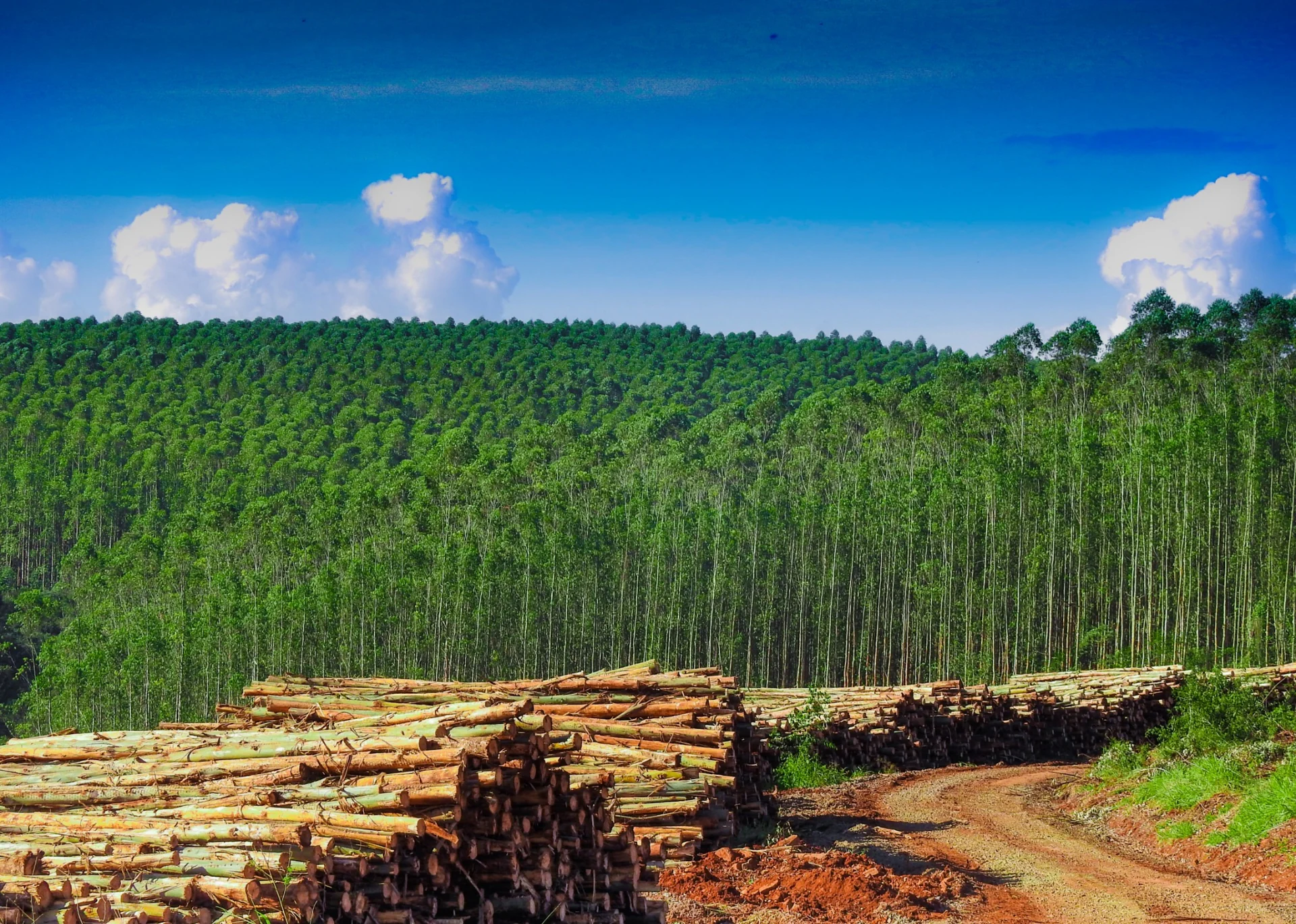
According to the annual report of the Brazilian Tree Industry association (Ibá), Brazil remains the largest pulp exporter and second-largest producer. It also ranks seventh globally in paper and wood panels and ninth in sawn timber. The sector supplies many other renewable, recyclable and biodegradable products, including packaging, books, furniture, fabrics and sanitary paper.
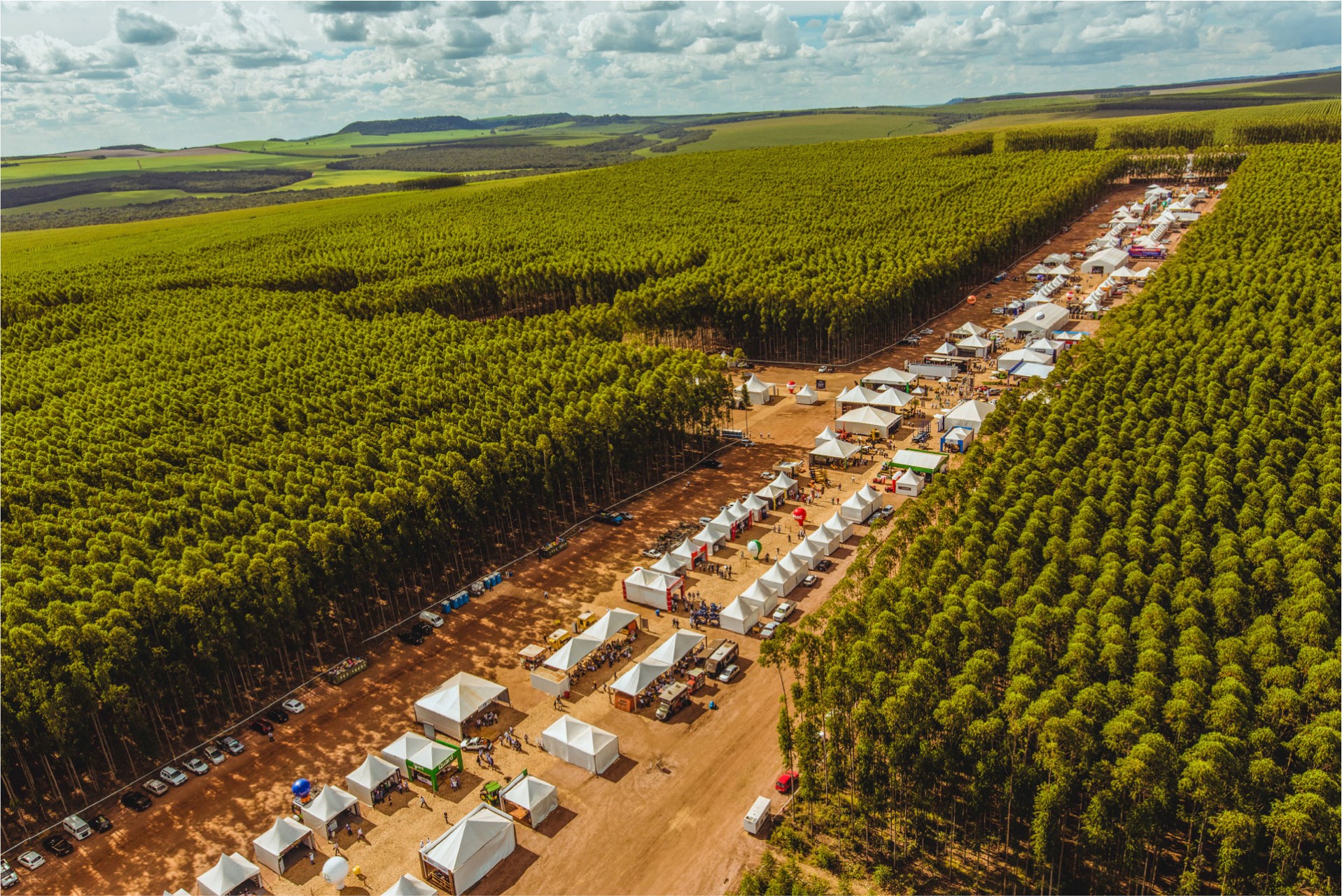
Planting 2.2 million trees daily, the sector ended 2025 with 10.73 million hectares of productive land. Mato Grosso do Sul led expansion, adding 222,000 hectares on previously modified land and degraded pasture. Companies are also estimated to conserve a further 7.15 million hectares. Plantations and conservation areas are interspersed through mosaic forest management, a sustainable technique creating ecological corridors that protect natural resources and biodiversity.
The report's 2026 edition also highlights the early development of forest restoration and native-species silviculture, an emerging Brazilian industry already covering 57,500 hectares undergoing regeneration. As an Ibá member segment, native-species silviculture is developing innovative business models focused on high-integrity carbon credits and timber and non-timber products, directly aligned with Brazil's climate commitments and global greenhouse gas reduction targets.